
1. Product Overview
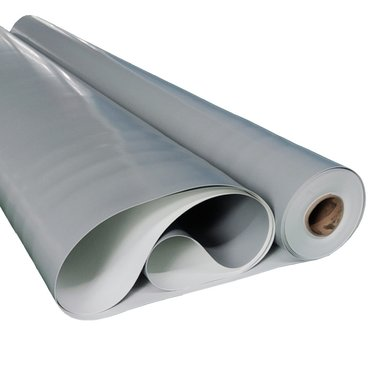
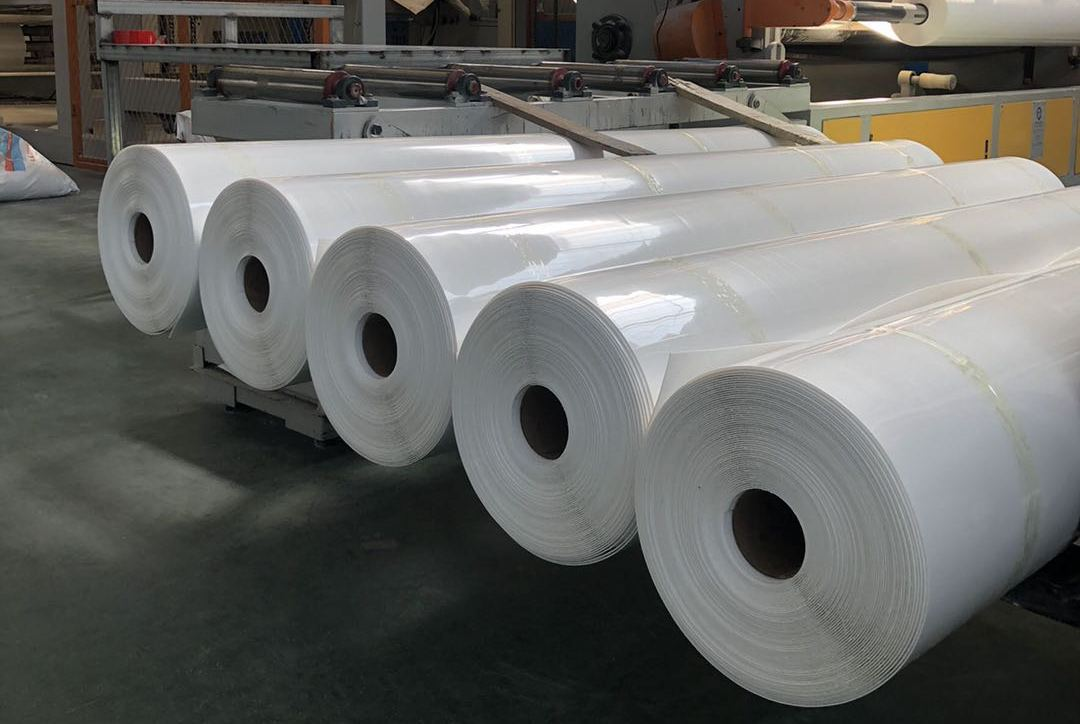
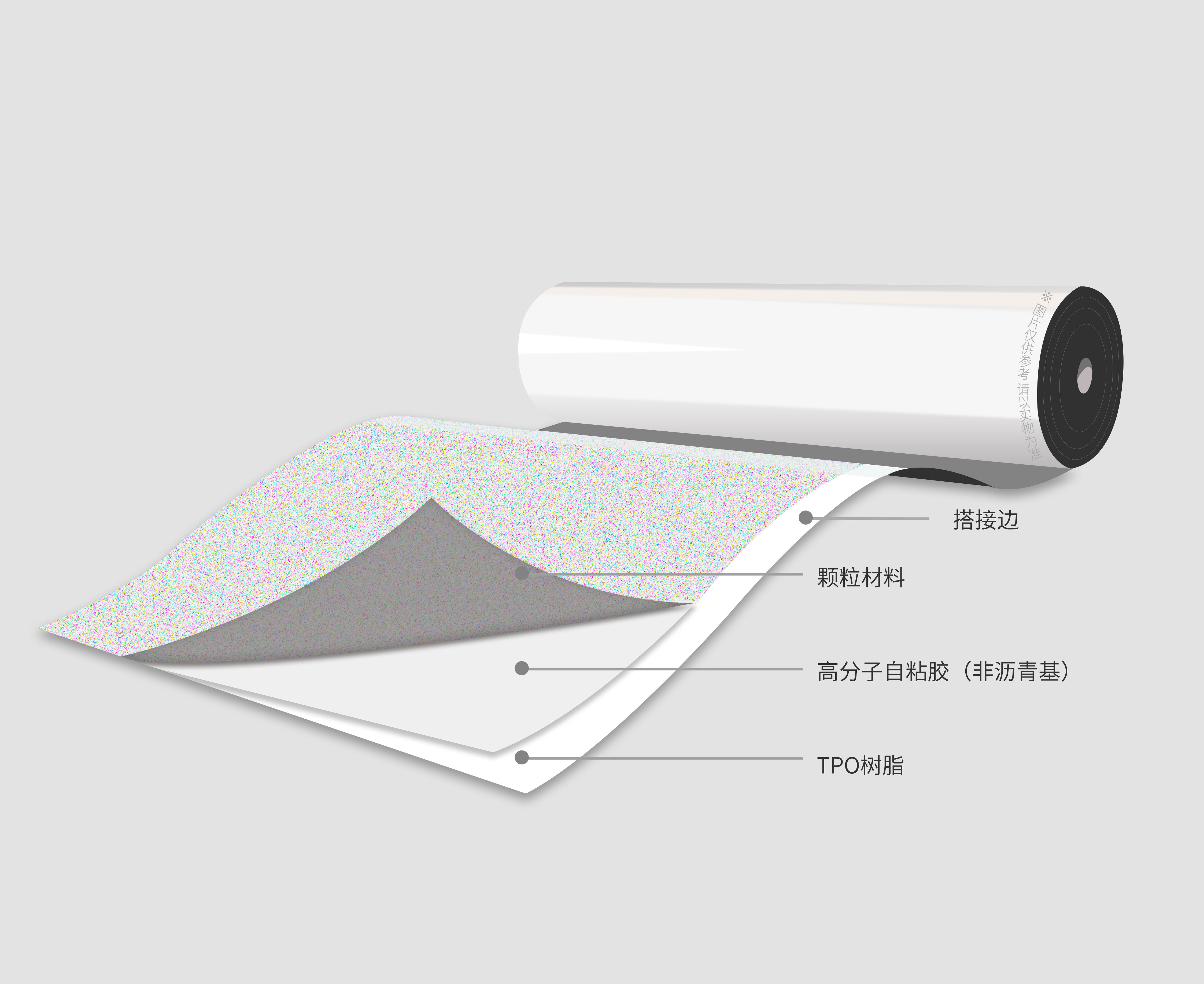
Thermoplastic Polyolefin (TPO) Waterproof Membrane is a highly versatile and durable roofing material made from a blend of polypropylene and ethylene-propylene rubber. TPO membranes are known for their excellent performance in providing superior waterproofing and resistance to UV radiation, chemicals, and environmental elements. TPO membranes are commonly used for flat and low-slope roofs, offering both energy efficiency and long-term durability, making them a popular choice for commercial and residential applications.
2. Key Features
• Superior Durability: TPO membranes provide high resistance to tears, punctures, and impact, ensuring long-lasting protection.
• UV and Ozone Resistance: Excellent resistance to UV radiation and ozone, making TPO membranes suitable for exposure to the sun and harsh weather conditions.
• Energy Efficiency: Reflective properties help reduce heat absorption, contributing to energy savings by lowering cooling costs.
• Environmentally Friendly: TPO membranes are recyclable, offering an eco-friendly option for waterproofing.
• Heat Weldable: The membrane can be heat welded at the seams to create a strong, waterproof bond.
• Low Maintenance: Requires minimal maintenance throughout its lifespan, making it cost-effective in the long run.
3. Applications
• Flat and low-slope roofing systems.
• Commercial and residential buildings.
• Waterproofing for decks and patios.
• Sealing for pipe penetrations and joints.
• Suitable for both new construction and roof renovation projects.
4. Installation Process
1. Surface Preparation: Clean and prepare the surface to ensure it is free of dirt, debris, and moisture.
2. Roll Out the Membrane: Unroll the TPO membrane onto the clean and prepared surface.
3. Adhesive or Mechanical Fastening: The TPO membrane can be adhered using adhesives or mechanically fastened depending on the project requirements.
4. Heat Welding Seams: Overlap the seams and heat weld them to create a strong, waterproof seal.
5. Final Inspection: Inspect the membrane installation thoroughly to ensure there are no gaps, air pockets, or issues with the seams.