
1. Product Overview
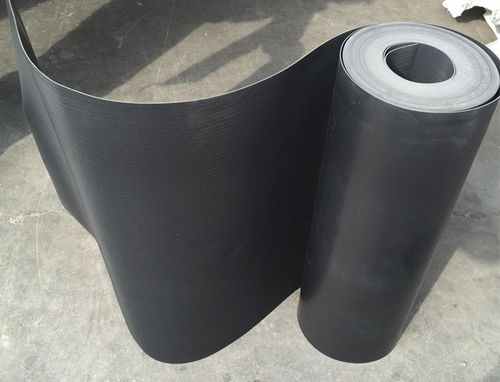
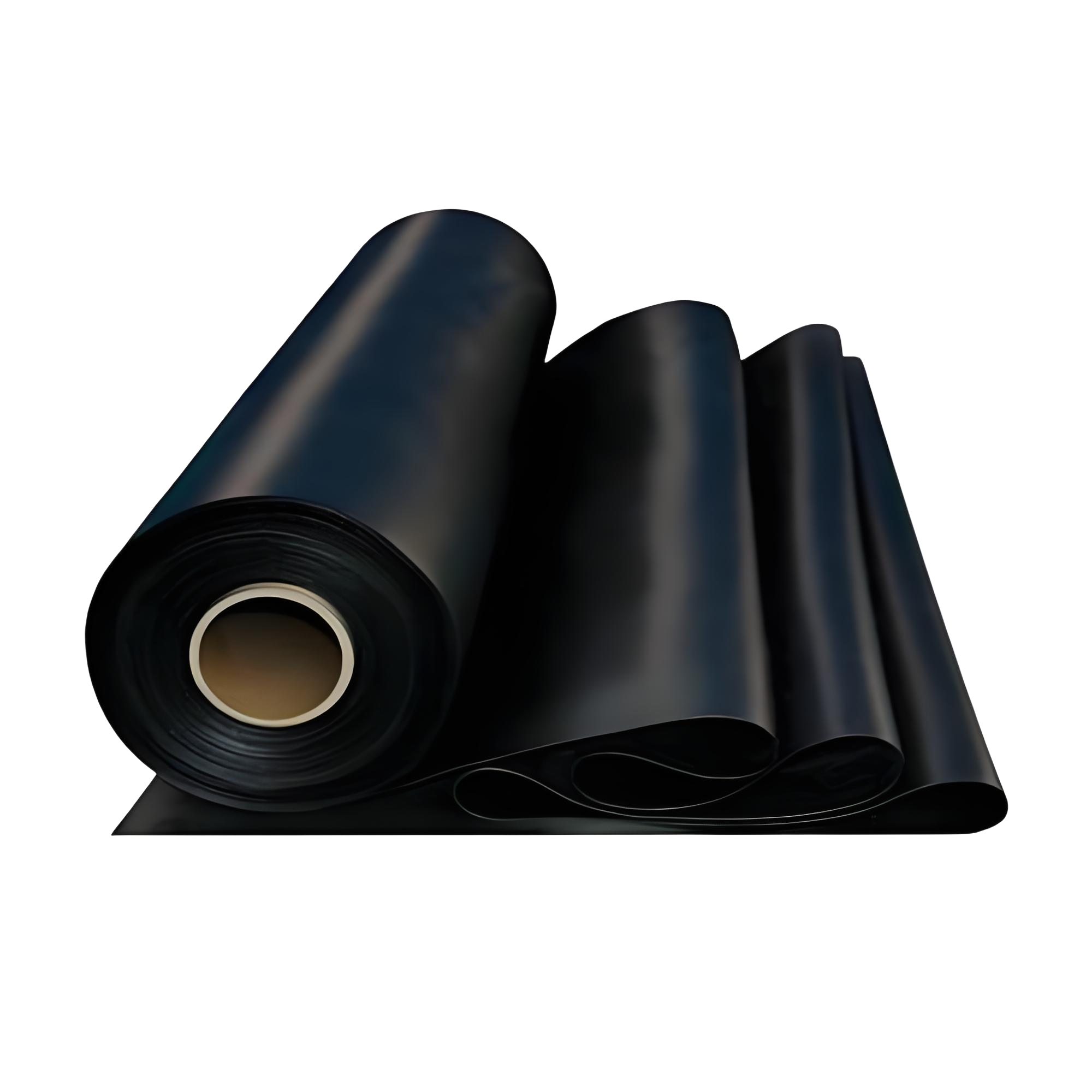
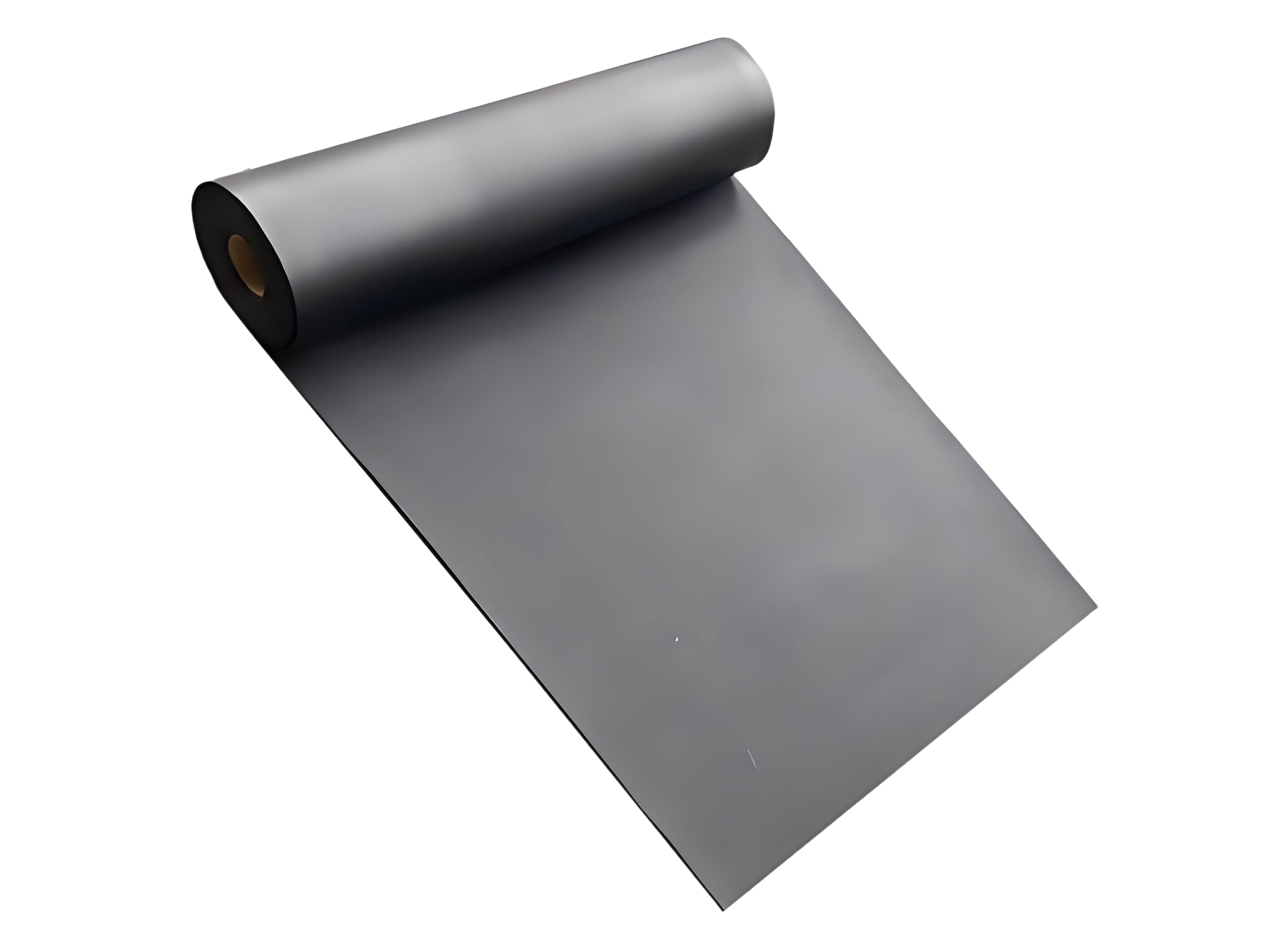
The Ethylene Propylene Diene Monomer (EPDM) Root-Resistant Waterproof Membrane is a high-performance waterproofing material designed to prevent root penetration while ensuring excellent waterproof protection. It is made from high-quality synthetic rubber with specialized root-resistant additives, offering outstanding flexibility, durability, and environmental adaptability. This membrane is widely used in green roofs, rooftop gardens, underground waterproofing, and other applications requiring root resistance. Its superior weather resistance and easy installation make it an ideal choice for long-term waterproofing solutions.
2. Key Features
• Exceptional Root Resistance: Special root-resistant additives prevent plant roots from penetrating the membrane, ensuring long-lasting waterproofing protection.
• Excellent Waterproofing Performance: Provides a continuous, seamless waterproof barrier that effectively prevents water infiltration.
• High Flexibility and Elasticity: Maintains elasticity even at low temperatures, adapting to structural movements without cracking.
• Superior Weather and UV Resistance: Outstanding resistance to UV rays, ozone, and extreme weather conditions, ensuring a long service life.
• Eco-Friendly and Safe: Free from harmful substances such as chlorine and plasticizers, making it suitable for environmentally friendly construction projects.
• Easy Installation: Can be installed using bonding adhesives, mechanical fastening, or hot air welding, allowing for versatile application methods.
3. Applications
• Green roofs and vegetated rooftops requiring root-resistant waterproofing.
• Underground structures such as basements, tunnels, and foundations.
• Waterproofing for podium decks, terraces, and balconies.
• Suitable for both new construction and renovation projects.
4. Installation Process
1. Surface Preparation: Ensure the substrate is clean, dry, and free from dust, grease, or debris.
2. Membrane Placement: Unroll and position the EPDM root-resistant membrane onto the prepared surface.
3. Seaming and Bonding: Use adhesive bonding or hot air welding to securely join the seams and ensure waterproof integrity.
4. Edge and Detail Treatment: Seal corners, edges, and penetration points thoroughly to prevent leaks.
5. Final Inspection: Conduct a quality check to ensure the installation meets the required standards.